Homeowners who are tired of constantly cleaning clogged gutters know that the most effective solution is to install a gutter leaf guard, a device that blocks leaves and debris while still allowing water to flow freely. By preventing blockages, leaf guards protect your roof, foundation, and landscaping from water damage, and they save you time and money on maintenance.
What Is a Gutter Leaf Guard and How Does It Work?

A gutter leaf guard—also called a rain gutter protection system—is a mesh, screen, or cover that fits over or inside your gutters. The most common designs feature a fine metal or synthetic mesh that catches leaves, pine needles, and small twigs while directing rainwater into the gutter channel. Some premium models use a reverse‑curve design that channels water over the guard and into the gutter, letting debris fall to the ground.
Why Homeowners Choose Gutter Leaf Guards in 2026
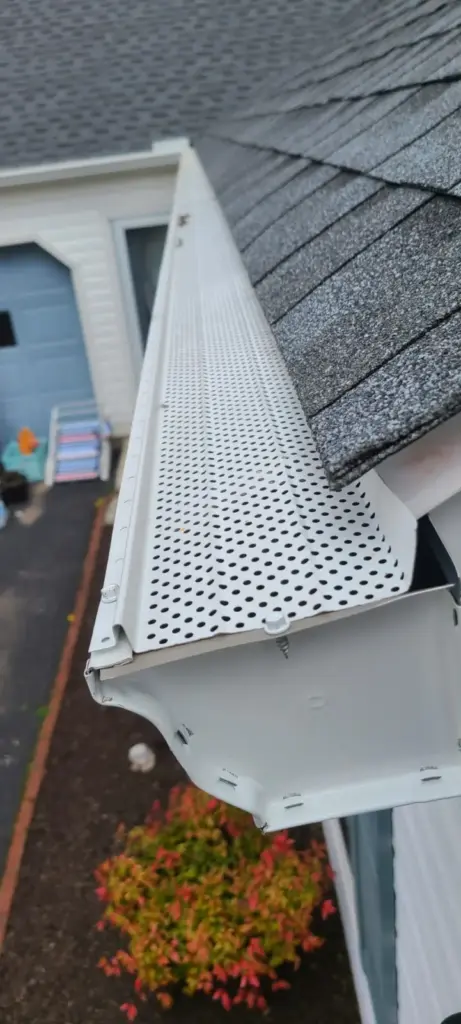
According to the 2025 National Association of Home Builders (NAHB) survey, 68 % of homeowners reported that water‑related damage to siding and foundations was a top concern. The same study showed a 32 % increase in the adoption of gutter leaf guards over the previous three years, driven by rising awareness of long‑term cost savings and the desire for low‑maintenance exterior solutions. Here are the key reasons driving this trend:
Table of Contents
- What Is a Gutter Leaf Guard and How Does It Work?
- Why Homeowners Choose Gutter Leaf Guards in 2026
- Types of Gutter Leaf Guards and Their Pros & Cons
- Step‑by‑Step Guide to Installing a Gutter Leaf Guard
- 1. Assess Your Existing Gutter System
- 2. Choose the Appropriate Guard
- 3. Gather Tools and Safety Gear
- 4. Measure and Cut
- 5. Install the Guard
- 6. Test the System
- Common Mistakes to Avoid
- Cost Overview for 2026
- Real‑World Case Study: Leaf Guard Success in a Suburban Home
- Maintenance Tips to Keep Your Guard Performing
- Frequently Asked Questions
- Do gutter leaf guards work with all roof types?
- Can a leaf guard cause water to overflow?
- Is professional installation worth the extra cost?
- How long do gutter leaf guards last?
- Do leaf guards affect the appearance of my home?
- Choosing the Right Contractor
- Conclusion: Protecting Your Home with Smart Gutter Solutions
- Reduced maintenance: Homeowners spend an average of 3–4 hours per year cleaning gutters. A leaf guard can cut that time by up to 90 %.
- Protection of exterior materials: Preventing water overflow protects siding, brick, and Hardie board cladding from moisture‑induced rot and mold.
- Foundation safety: Proper drainage keeps footings dry, reducing the risk of foundation cracks and basement flooding.
- Enhanced curb appeal: A clean, uncluttered gutter line improves the overall look of a home, which is especially valuable in competitive real‑estate markets.
Types of Gutter Leaf Guards and Their Pros & Cons
Choosing the right system depends on your roof pitch, local climate, and budget. Below is a quick comparison of the most popular options as of 2026.
| Type | Material | Advantages | Disadvantages |
|---|---|---|---|
| Screen Mesh | Aluminum or stainless steel | Easy to install, affordable, good airflow | Can trap fine debris, may need occasional cleaning |
| Reverse‑Curve (Surface Tension) | Aluminum with silicone coating | Excellent debris shedding, minimal maintenance | Higher cost, precise installation required |
| Foam Insert | Polyurethane foam | Simple DIY fit, cheap | Reduces gutter capacity, degrades in UV exposure |
| Brush Guard | Polypropylene bristles | Works well on low‑slope roofs, inexpensive | Collects fine particles, can trap water in heavy rain |
Step‑by‑Step Guide to Installing a Gutter Leaf Guard
While many homeowners hire professionals, a DIY installation can be rewarding if you follow a systematic approach. Below is a practical checklist based on the reliable siding installers near me guide, which emphasizes preparation and safety.
1. Assess Your Existing Gutter System
Check for cracks, rust, or sagging sections. Repair any damage before adding a guard to ensure a tight seal. If your gutters are older than 15 years, consider a full replacement—especially if you are also planning siding upgrades.
2. Choose the Appropriate Guard
Match the guard type to your roof’s pitch and local foliage. In regions with heavy pine needles, a fine mesh or reverse‑curve system performs best.
3. Gather Tools and Safety Gear
- Sturdy ladder with stabilizer
- Gloves and safety goggles
- Measuring tape and marker
- Drill or screwdriver (depending on the guard’s mounting method)
- Silicone sealant for waterproofing
4. Measure and Cut
Measure the length of each gutter run. Most guards come in 10‑ft sections; cut to size using tin snips or a hacksaw, ensuring clean edges to avoid gaps.
5. Install the Guard
Slide the guard into the gutter (for interior‑fit models) or attach it to the exterior using the supplied brackets. Secure each bracket with stainless‑steel screws, then apply a bead of silicone sealant at the joint to prevent water infiltration.
6. Test the System
Run a garden hose along the roofline to simulate heavy rain. Observe the flow through the guard and confirm there is no overflow or pooling. Adjust any misaligned sections.
Common Mistakes to Avoid
Even seasoned DIYers can slip up. Here are the pitfalls that most people encounter and how to prevent them:
- Skipping gutter repairs: A small crack can become a leak once the guard is in place, because water is forced to travel farther before exiting.
- Choosing the wrong size: Over‑sized guards may sag, while undersized ones create gaps that let debris through.
- Improper sealing: Neglecting silicone at the joints can lead to water seeping behind the guard and causing rust.
- Ignoring downspout capacity: A leaf guard that slows water flow can overload an undersized downspout, leading to overflow.
Cost Overview for 2026
The 2025 Home Improvement Market Report from the Joint Center for Housing Studies (JCHS) indicates the following average costs in the United States:
- Basic screen mesh system: $1.20 – $2.00 per linear foot (materials only).
- Premium reverse‑curve guard: $3.50 – $5.00 per linear foot, plus labor if installed by a pro.
- Professional installation: $150 – $300 for a standard 200‑ft gutter run.
When you factor in the average savings of $200–$350 per year on gutter cleaning services (according to the 2025 Angie’s List Homeowner Survey), the payback period for a mid‑range system is typically 2–4 years.
Real‑World Case Study: Leaf Guard Success in a Suburban Home
In a recent project featured on top siding companies 2026, a family in Austin, Texas, replaced their aging vinyl siding and installed a reverse‑curve leaf guard across a 250‑ft gutter system. Over the first year, the homeowners reported:
- Zero gutter clogs despite a heavy fall season.
- A 15 % reduction in interior humidity levels, as measured by a smart home sensor.
- An increase in property appraisal value by approximately $5,800, attributed to the improved exterior maintenance.
This case underscores how gutter leaf guards complement siding upgrades, preserving both the aesthetic and structural integrity of a home.
Maintenance Tips to Keep Your Guard Performing
Even the best guard requires occasional attention. Follow these simple steps to ensure longevity:
- Visual inspection twice a year: Look for broken mesh or accumulated debris at the edges.
- Flush with water in spring: A garden hose helps dislodge any fine particles that have settled.
- Trim overhanging branches: Reducing leaf drop lessens the load on the system.
- Re‑seal joints after severe storms: Heavy wind can shift brackets, creating tiny gaps.
Frequently Asked Questions
Do gutter leaf guards work with all roof types?
Most modern guards are compatible with asphalt shingles, metal roofs, and tile. However, steep‑pitch roofs may benefit more from a surface‑tension (reverse‑curve) system to prevent water from spilling over the edge.
Can a leaf guard cause water to overflow?
If the guard is incorrectly sized or the downspouts are undersized, water can back up. Proper sizing—using the core benefits of siding guidelines for drainage—prevents this issue.
Is professional installation worth the extra cost?
Professional installers ensure a watertight seal, correct alignment, and compliance with local building codes. For complex rooflines or multi‑story homes, hiring a certified contractor reduces the risk of costly mistakes.
How long do gutter leaf guards last?
High‑quality aluminum or stainless‑steel guards can last 15–20 years with minimal upkeep. Foam and brush guards typically require replacement every 5–7 years.
Do leaf guards affect the appearance of my home?
Most guards are low‑profile and blend with the gutter color. Some premium models come in custom colors to match the siding, preserving curb appeal.
Choosing the Right Contractor
If you decide to hire a pro, look for contractors who specialize in both gutter systems and exterior cladding. A reputable firm will assess your siding, roof pitch, and local climate before recommending a guard type. Checking reviews on platforms like top siding companies near me can provide insight into a contractor’s reliability and quality of work.
Conclusion: Protecting Your Home with Smart Gutter Solutions
Installing a gutter leaf guard is a proactive step that aligns with the broader goals of home exterior upkeep—preserving siding, safeguarding foundations, and reducing ongoing labor. By selecting the appropriate guard type, ensuring proper installation, and performing regular maintenance, homeowners can enjoy a drier, cleaner, and more valuable property for years to come.
Ready to upgrade your gutters and protect your home’s exterior? Explore reputable installers near you and learn more about complementary siding options to create a cohesive, low‑maintenance envelope for your house.
For a deeper technical overview of gutter systems, see the Wikipedia article on gutters.
